
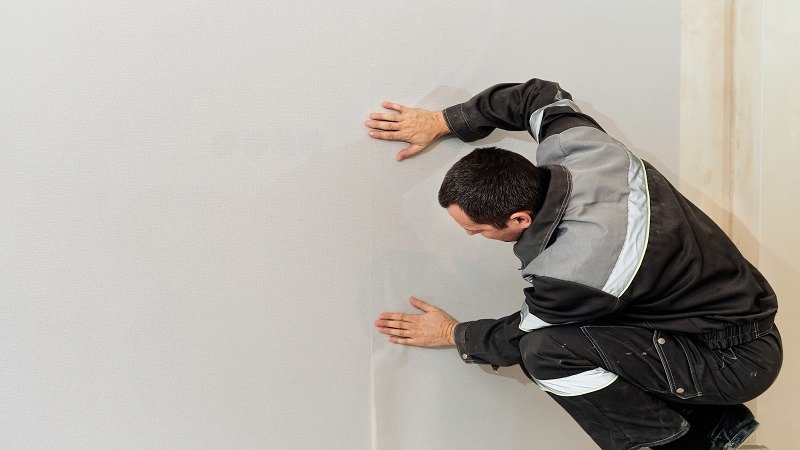
Plaster vs Gyprock Repairs: Which One is Better for Wall Damage?
Got a cracked wall and not sure how to fix it the right way? That’s a common problem for homeowners, especially when wall damage starts to spread or show again after a repair. What looks minor at first can become more expensive if the wrong material is used.
When comparing plaster and Gyprock, many people struggle to decide which option will last longer and cost less. Looking at drywall vs plaster pros and cons can make that choice much easier.
This guide explains the key differences, repair costs, and the best option for different types of wall damage.
Plaster vs Gyprock: What Actually Works Better?
Wall repairs are not just about filling cracks. The material you choose affects durability, cost, and how long the fix will last.
Let’s break this down in a way that makes the decision easier.
➣ Plaster Repairs: Strong but Slower
Plaster is common in older homes. It is solid and long-lasting, which makes it a reliable option for serious damage.
When you deal with cracks or chips, plaster crack repair requires careful handling. The process takes time because layers need to be applied and set properly.
This is why repairing plaster walls often costs more. It involves skilled work and a longer repair cycle.
That said, plaster gives a stronger finish. It handles impact better and keeps the original look of older homes intact. If your wall has more serious damage or you want a long-term fix, plaster is usually the better choice.
➣ Gyprock Repairs: Fast and Practical
Gyprock, also called drywall, is used in most modern homes. It is lighter, easier to install, and much quicker to repair.
Small holes, dents, or cracks can be fixed without much effort. This makes gyprock ideal for quick repairs where time matters.
When people ask plaster or drywall which is better, the answer often depends on the situation. For speed and convenience, gyprock clearly stands out.
It may not be as strong as plaster, but it does the job well for everyday wall damage.
➣ Cost and Long-Term Value
Cost is one of the biggest factors when choosing between the two.
The plaster wall vs drywall cost shows a clear difference. Plaster repairs are more expensive due to labor and time. Gyprock repairs are usually more affordable and faster to complete.
Still, cost should not be the only factor. Plaster may cost more upfront, but can last longer in certain conditions. Gyprock saves money in the short term but may need repairs more often.
Looking at drywall vs plaster pros and cons helps you balance cost with long-term value.
Which One Should You Choose?
The right option depends on your home and the type of damage.
Choose plaster if you are dealing with older walls or deep cracks or want a long-lasting repair. It works well for structural strength and traditional finishes.
Choose gyprock if the damage is minor and you need a fast, cost-effective solution. It is ideal for modern homes and simple fixes.
In most cases, the decision comes down to durability versus speed. Once you know your priority, the choice becomes clear.
Get Reliable Wall Repairs Without Guesswork
Choosing between plaster and gyprock is only part of the process. The real result depends on who does the job.
Trusted Tradie Network connects you with professionals who understand both repair methods. Instead of spending time searching, you can compare options, review past work, and choose someone who fits your needs.
This reduces the risk of poor repairs and repeat work. With the right tradies, your wall damage gets fixed the first time properly.
Conclusion
Wall damage is common, but the way you fix it matters. Plaster offers strength and durability, while Gyprock gives speed and ease.
The best choice depends on your wall type, budget, and how long you want the repair to last. Taking the time to understand both options helps you avoid future issues.
Work with skilled professionals and choose the method that fits your needs. That way, your walls stay strong, look clean, and require less maintenance over time.









0 Comments